HHS Secretary Robert F. Kennedy Jr. promised to change what Americans eat and to confront the nation's chronic disease crisis. But after two years, MAHA supporters are frustrated, decrying the corporate influence that is stymying the administration’s progress on MAHA promises.
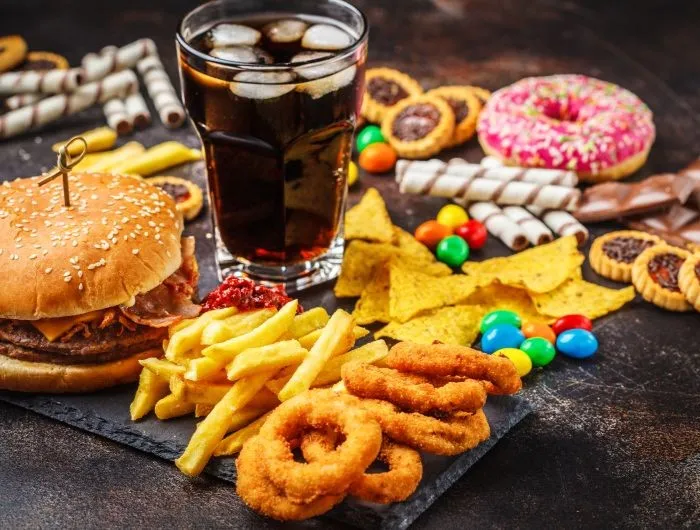
The issue of so-called ultraprocessed foods (UPF) has received a great deal of attention from policymakers and the public. But how to define the term has engendered an intense debate amongst researchers, advocates, industry, and policymakers. Kennedy was right to make this a high priority, with reports indicating that he was trying to push this through before the midterm elections. But he was not successful. The UPF definition remains firmly lodged at the Office of Management and Budget (OMB), where more than a dozen meetings with industry have produced exactly what food and beverage companies sought: paralysis. Kennedy’s lead nutrition advisor, Calley Means, quit in disgust just two weeks before this November’s election.
A bureaucratic standoff threatens public health
A federal definition of ultraprocessed foods may seem like the height of bureaucratic mundanity, but establishing one is essential to anchor future policies aimed at addressing diet-related chronic disease. Without a clear standard, the government lacks a sound basis to resist the inevitable legal challenges to those policies by industry. For food and beverage companies, blocking such policies is the true end game; keeping the definition locked in cold storage is a means to that end.
With the federal UPF definition at a standstill, several state policies using differing approaches for defining UPFs have emerged. Some are based on a classification system called Nova, which was developed by researchers in Brazil. This system classifies foods as UPFs based on the extent and purpose of their processing and identifies them using the presence of certain classes of ingredients and additives. Nova does not directly incorporate nutrients, despite the fact that overconsumption of processed foods containing high amounts of added nutrients like sodium and added sugars is widely accepted to increase the risk for developing diet-related diseases.
Rethinking UPF: Natural doesn’t mean healthy
While Nova was conceptualized as a fundamental critique of the industrialized food system in favor of more "natural" and traditional foods, natural does not necessarily mean healthier. A better approach to defining the set of processed foods we should be avoiding or limiting in our diets would start with the prerogative of preventing diet-related harm, which aligns more clearly with the government's interest in protecting its residents. Such an approach would set out to identify processed products where scientific evidence has clearly demonstrated harm.
One specific limitation of the Nova UPF definition is that it sweeps in some foods (like certain whole grain breads, low-sugar yogurts, and plant-based options) that are nutrient-dense and may be associated with improved health outcomes. But a harm-based UPF definition would include only products with attributes that are strongly linked to serious health concerns. This includes foods with high amounts of sodium, added sugars, and saturated fat. It would also include processed foods with high calorie density, and certain food groups that we know are harmful, such as processed meats, sweetened beverages, and processed refined carbohydrates, as well as foods with additives that are associated with serious harms, like cancer. Researchers at the NIH are developing a new method for identifying foods to limit in the diet that closely aligns with many of the above criteria.
On the other hand, many harmful processed foods evade scrutiny under Nova by falling outside of its UPF category (like calorically dense potato chips and carcinogenic processed meats preserved with nitrates from natural sources). By more precisely capturing those processed foods that negatively impact health, policies based on a harm-based UPF definition should translate into reduced costs for treating diet-related chronic diseases. The definition may also be more resilient against industry challenges.
How a harm-based definition demystifies food labels
The simplicity and clarity of a “harm-based” approach would also help clear the air in a confused marketplace. By providing a rigorous foundation for labeling policies, industry would be truly incentivized to reformulate harmful products in order to market their products not only as “healthy” but also as “non-UPF,” creating a healthier food supply for all.
While 58% of Americans have heard of UPFs, only 33% are confident in their understanding of the term. Already, rival “non-UPF” labeling systems have emerged—even while the definition of UPF itself remains contested.
Without an official definition, companies are free to define the term however they please—by a list of prohibited ingredients, or by selective nutritional standards. Meanwhile, a recent poll found that 62% of people believe foods labeled “non-UPF” are healthy. Without both nutrient and ingredient standards based on direct harm, current non-UPF labels are leading to healthwashed products that may not be healthier than the rest.
Irrespective of which approach is taken to define UPFs, any policies operationalizing the definition should be tailored to the specific population and setting. For instance, policymakers may choose to include all UPFs in policies limiting advertising to children, but only specific subgroups of UPFs (like sweetened beverages) in excise tax policies. For UPF restrictive policies in schools navigating the current cost-cutting environment, additional investments for school meal reimbursements and kitchen infrastructure will be needed to serve healthier, minimally processed or scratch-cooked meals.
The bottom line
Anyone who wants to see rates of chronic diet-related disease in the US decline should want to see the release of a federal UPF definition that is science-based, legally defensible, not influenced by industry, and which can be operationalized into policy. The harm-based approach to defining UPFs described above would facilitate this.
And if you’d like to help us tell the federal government to create a healthier food supply for everyone, sign our petition.
Sign our petition for safer food