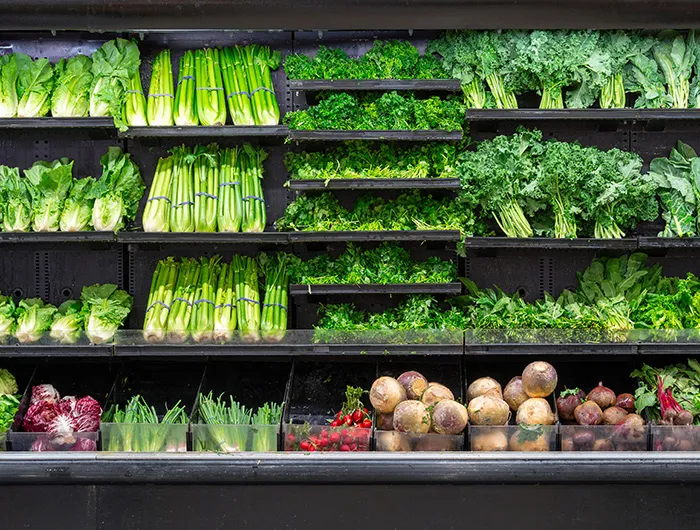
Cyclosporiasis is a parasitic infection that causes diarrhea. The parasite can spread to humans through contaminated food and water. An outbreak in the US making headlines this summer has now been tied to iceberg lettuce sold at Taco Bell locations in nine states. CDC surveillance funding cuts did not cause the outbreak, but lack of funding may have slowed the investigation to find the source. Here’s what to understand about the outbreak and how to stay safe from foodborne illness this summer.
What is cyclosporiasis?
Cyclosporiasis is an infection that can spread to humans through food and water infected with the cyclospora parasite. Infection can cause diarrhea, frequent bowel movements, and other intestinal symptoms, although not all infected individuals will experience symptoms. Cyclosporiasis can be treated with antibiotics and is generally not a life-threatening illness.
Individuals who are infected will typically exhibit symptoms about one week after infection, although this infection window may be as low as two days or as high as two weeks or more. The parasite is unlikely to be transmitted between people. Cases of cyclosporiasis typically rise during the spring and summer months.
Update: The outbreak is linked to shredded iceberg lettuce distributed by Taylor Farms under multiple brands
On July 16, the FDA issued an advisory that consumers should avoid eating shredded iceberg lettuce from Mexico at Taco Bell locations in Indiana, Kentucky, Michigan, Ohio, and West Virginia. On July 24, the CDC announced the outbreak had expanded to four new states, Illinois, Kansas, Oklahoma, and Pennsylvania. Additional states may be added as more information becomes available. The lettuce was distributed at Taco Bell locations and that company has stopped the use of all lettuce implicated in the outbreak investigation.
Cyclosporiasis can spread to humans through food and water that has had contact with feces. The parasite that causes the illness has to live outside of the body in a warm environment for one to two weeks before it can infect people, which is why the illness is more common in tropical and subtropical areas. Produce is thought to be contaminated through irrigation water. Cyclosporiasis can also be caused by drinking contaminated water, which can occur while swimming.
Update: On July 17, Taylor Farms iceberg lettuce sold at Walmart under the Marketside brand with descriptors “Iceberg Salad 12-oz or 24-oz” or “Shredded Lettuce 8-oz or 16-oz.” The recall applies to products with Best If Used By dates of July 18 through August 3. Taylor Farms also recalled iceberg lettuce sold at food retailer locations. A complete list of recalled products can be found on the . Anyone who has purchased a recalled product should throw it away and contact a health professional if symptoms arise.
Which states have seen cyclosporiasis cases this summer?
As of July 24, the CDC has confirmed that at least 1,947 cases of cyclosporiasis in nine states are linked in the same multistate outbreak. State health departments may use a different method to count cases associated with the outbreak, leading them to report higher numbers.
The FDA is also investigating four additional small outbreaks that are suspected to be caused by food, but these outbreaks are separate from the outbreak investigation in Michigan and nearby states.
Thousands of cases have also been reported in at least 34 states, but these are not necessarily part of the recent outbreak. For example, New York state has recorded approximately 447 cyclosporiasis cases since May 1, which state officials have noted is three times higher than case counts this time last year. Some of these cases may be caused by unrelated contamination. It’s also possible that more people are being diagnosed as they seek out medical care for symptoms based on news reports of the outbreak.
Nationwide, the CDC indicated on July 24 that it has confirmed 4,173 cases of people who acquired cyclosporiasis in the United States, an increase compared to the same period last year. CDC is also investigating 7,400 additional cases reported since May, but some of those cases may be associated with travel from other countries where the cyclosporiasis is more common.
Tips for handling produce
Fresh produce can be washed thoroughly (except any labeled "prewashed") with running water prior to eating. When handling raw produce, wash your hands thoroughly before and after and be careful to avoid splashing it with water from the sink, which could cross-contaminate. You can buy a colander that attaches to the edge of the sink to avoid this type of splashing, or wash inside a large pot. Be sure to cut away brown or soft spots on produce before eating. And refrigerate any produce that has been cooked or cut within two hours.
Fresh produce does not have to be cooked at this time in order to be safely eaten. However, if you are cooking your fruits and veggies, heating food to 158 degrees or higher does kill cyclospora.
Does buying from a local farmers market reduce your risk?
Cyclospora has been found in produce grown in the US, but it is more common in tropical and subtropical regions. So if you live in a cooler climate, buying locally grown produce means you probably won’t find this parasite. (But farmers market foods are not risk free! Find out how to keep your food safe at the farmers market.)
Funding cuts undermine CDC’s ability to investigate outbreaks
In July 2026, the Trump administration scaled back FoodNet, a CDC foodborne illness surveillance program. These cuts included removing the requirement for tracking cyclosporiasis under the program. FoodNet is used to track illness trends over time, not monitor foods to prevent outbreaks, so these cuts did not increase the likelihood an outbreak would occur.
While FoodNet cuts did not cause this outbreak, lack of federal resources does make it harder for the CDC and its state partners to solve outbreaks like this one.
Resource needs for food safety state partners continue to outpace available funding, with the CDC currently able to support only about 40% of partner requests for foodborne disease surveillance, detection, and response. Cuts to other CDC-funded programs are also putting the squeeze on state programs that investigate foodborne illness, further impeding public health.
This is why CSPI and our coalition partners have been urging Congress to increase food safety funding this year by adding $37 million to the CDC's budget.
Food safety guides to stay safe this summer
Recalls to watch: New botulism risk in infant formula & more
Food and supplement recalls show no signs of slowing as we enter the summer season. The latest recalls include a new botulism risk for infant formula; listeria in cheese; salmonella in cheese bread and specialty beverage mixes; undeclared allergens in pancake mixes; plastic and other foreign materials in frozen foods; and undeclared drugs in supplements. Each year, roughly one in six Americans suffers from a bout of food poisoning. And harmful bacteria or other microbes can mean more than just an upset stomach. Tainted food kills about 3,000 of us every year. The risk of getting sick is higher if you’re pregnant, under age five, over 65, or have a weakened immune system. Here’s what you need to know about the latest, ongoing food and supplement recalls and how to stay safe.
Safe grilling: How to avoid food poisoning at cookouts
Grilling or cooking to feed a crowd at your next barbecue, potluck, or picnic? Food safety matters more than you might think. It’s not just about keeping your food from making you sick. If you or any of your guests are over 65 or under 5, are pregnant, or have a weakened immune system, they’re at higher risk for more severe illness from food poisoning. We have answers to common questions about marinating, thawing, grilling, and serving food safely.
Home canning: How to avoid food poisoning from botulism
Home canning holds the promise of tomatoes, peaches, and other summer gems available year-round. Want to give it a go? Before you start, check out our answers to some basic questions about how to avoid food poisoning from botulism. For step-by-step instructions on how to can specific foods safely, rely on reputable sources that test their recipes.