If you’re looking for healthy ways to add flavor to foods fast, join the club. When we don’t have time to whip up a sauce or dressing, we reach for one of our favorite flavor boosters instead.
You won’t find any products here that overdo the salt, sugar, or unhealthy (saturated) fat…just a collection of do-it-all toppings. Many are rich in vegetables, beans, nuts, and/or seeds. They’re guaranteed to jazz up just about any dish. Dinner is served!
This article comes fromNutrition Action. We don’t accept any paid advertising or corporate or government donations. Any products we recommend have been vetted by our staff and are not advertisements by the manufacturers. They’re just healthier foods we think you’d like to know about!
If you’ve ever eaten at a Mediterranean-inspired fast-casual restaurant like Cava, Taim, or Roti, you know that a stellar dressing or sauce can take a salad or bowl from so-so to superb.
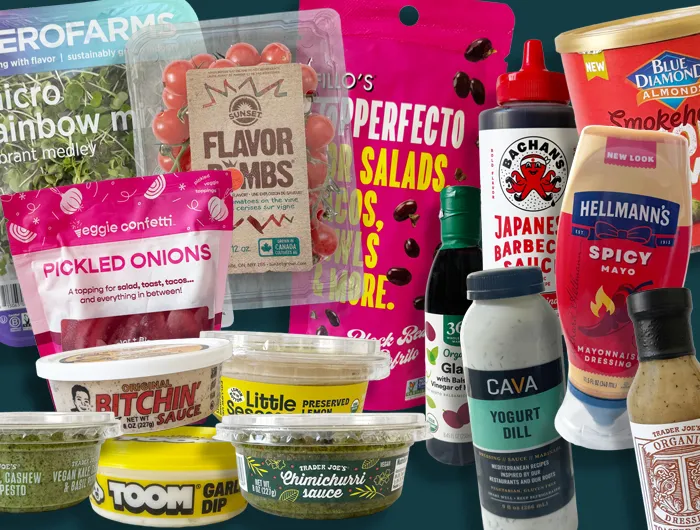
That’s also true in your kitchen...if you keep a bottle of creamy, herby Cava Yogurt Dill on hand. Because the versatile dressing/sauce/marinade is just Greek yogurt, cucumber, lemon, dill, salt, and garlic, a two-tablespoon serving is low in saturated fat (1 gram), sodium (45 milligrams), and calories (30). You can find it at Whole Foods Markets nationwide.
Don’t live near a Whole Foods? Try Bolthouse Farms Cucumber Ranch Yogurt Dressing & Dip. Dairy-free? Pick up a bottle of Trader Joe’s Vegan Creamy Dill Dressing (its creamy base comes from puréed cauliflower instead of yogurt).
How to use: Drizzle on bowls or salads that are topped with chicken, lentils, chickpeas, falafel, or shrimp.
Also try: A dollop of store-bought or homemade tzatziki. The yogurt dip is made with a similar cast of characters (cucumber, garlic, lemon, dill, or mint).
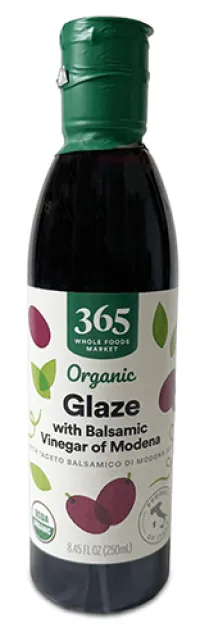
With a bottle of balsamic glaze on standby, you don’t need to spend 15 minutes cooking down vinegar to take the edge off (it gets pleasantly sweet and syrupy). Like Whole Foods Market’s 365 Organic Glaze with Balsamic Vinegar of Modena, most brands hover around a mere 30 calories, 5 mg of sodium, and 5 grams of added sugars per tablespoon. While that may seem like a lot of sugar, don’t worry. The balsamic flavor is so concentrated that you’re likely to drizzle only a teaspoon or so of the glaze on each serving.
How to use: Toss with roasted broccoli or cauliflower after cooking, drizzle on a caprese salad of fresh mozzarella with tomatoes or plums, or whisk with olive oil and salt to make a vinaigrette for an arugula salad.
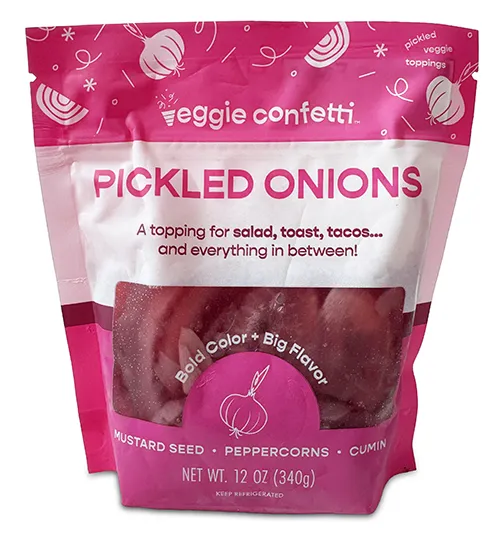
“Bold color + big flavor make every meal a celebration,” says the bag of Veggie Confetti Pickled Onions. We agree. A sprinkle of Veggie Confetti’s (or another brand’s) tangy pickled toppings like onions, jalapeños, cabbage, or carrots makes just about any dish pop. It doesn’t add much salt or sugar, either (a two-tablespoon serving of the onions has 105 mg of sodium and 2 grams of added sugars).
Another brilliant topping idea: Grillo’s Mild Pickle de Gallo. Instead of the fresh chunks of tomatoes, onions, and jalapeños in the traditional Mexican salsa (pico de gallo), Grillo’s tub is full of finely chopped cucumber pickles, with salt, onion, bell pepper, and garlic.
How to use: Salads are just the start.Pickled vegetables make a great topping for tacos, avocado toast, sandwiches, or any other dish where you’re looking for a touch of acidity to liven things up.
Also try: Love Beets Perfectly Pickled Sliced Beets.
Need a new way to make it hard to stop eating salad? Do we have a dressing for you!
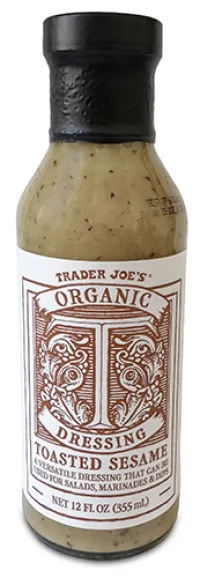
Japanese toasted (or roasted) sesame dressing is seriously savory. It’s not always easy to find a bottle outside of an Asian grocery store (like H Mart), but Trader Joe’s has the goods. Joe’s Organic Toasted Sesame Dressing is a little nutty-tasting, a little sweet, and not too salty, with just 3 grams of added sugars and 200 mg of sodium in each 130-calorie, two-tablespoon serving.
How to use: Spoon over a salad that features chicken or tofu and leafy greens or chopped cabbage, drizzle over steamed vegetables, or toss with a cold noodle salad.
Also try: Want to amp up the sesame goods even more, plus add some delightful crunch? Keep a shaker of toasted sesame seeds on hand for topping.
What exactly is toum? The Lebanese sauce and dip is potent—in a good way—if you love garlic. It’s made from oil, garlic, lemon juice, and salt that have been blitzed together in a food processor until they’re transformed into a fluffy white paste that you’ll want to put on everything. As supermarket toum brand Toom puts it, “Is it a spread? Is it a snack? Is it a marinade? Yes.”
Because toum’s base is unsaturated oil (Toom uses canola oil), its Nutrition Facts look a lot like mayo’s. A tablespoon of Toom, for example, has 80 calories, just 1/2 gram of saturated fat, and a low 85 mg of sodium.
How to use: Use toum as a spread or dip (like you would mayo or aioli) anytime you want a dollop of richness plus garlicky flavor. Serve on the side of grilled chicken or falafel, slather on a sandwich, or use as a dip for toasted pita triangles.
Also try: Cedar’s Toum or Roasted Red Pepper Toum or Trader Joe’s Garlic Spread-Dip.
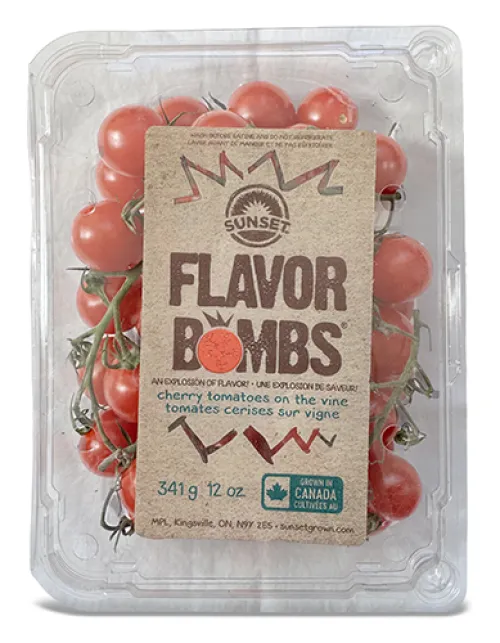
What’s so special about Sunset Flavor Bombs? They’re still on the vine, so they amp up the flavor, sweetness, and juiciness compared to garden-variety cherry tomatoes. Don’t be surprised if they steal the show in your next salad. Trust us.
How to use: Halved or whole, like you would any cherry tomato.
Also try: Sunset’s Honey Bombs or Sugar Bombs. For a larger, sliceable tomato, go with the Campari variety.
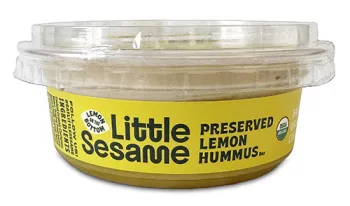
Hummus is a no-brainer healthy dip. You’re getting a base of chickpeas, tahini (sesame seed paste), and largely unsaturated oils (like sunflower, canola, or olive) without too much salt.
Just about any brand is healthy, but sometimes you’re looking for a new spin. And few brands deliver an ultra-smooth, creamy hummus with the top-notch flavors that Little Sesame does (think Preserved Lemon, Caramelized Onion, and Herby Jalapeño). Expect no more sodium than a typical hummus—around 125 to 150 mg in two tablespoons.
How to use: Just like any hummus. For starters, spread on whole-grain crackers or dig in with raw veggies like carrot or jicama sticks, sliced cukes, bell pepper strips, mini tomatoes, or cauliflower florets.
Also try: Fabulous Ithaca Hummus in fresh-tasting varieties like Lemon Dill, Lemon Beet, and Jalapeño Lime.
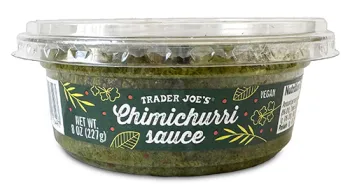
Chimichurri looks like pesto but tastes nothing like it. The super-fresh Argentinian herb condiment marries finely chopped fresh herbs (like cilantro and parsley), minced garlic, and a hint of crushed red pepper with olive oil and red wine vinegar. The result is a bright, tangy sauce that’s traditionally served with grilled meats.
Store-bought versions aren’t easy to come by, so if you shop at Trader Joe’s, make sure to check out its Chimichurri Sauce. A two-tablespoon, 110-calorie serving dishes out plenty of bold flavor while keeping a lid on sodium (160 mg).
How to use: Spoon over fish or chicken, or toss with vegetables, beans, lentils, or cooked whole grains.
Also try: Don’t live near a Trader Joe’s? Look for Gotham Greens Chimichurri…or make your own with our recipe.
9. Microgreens that make anything look (and taste) better
Marlena Koch – CSPI.
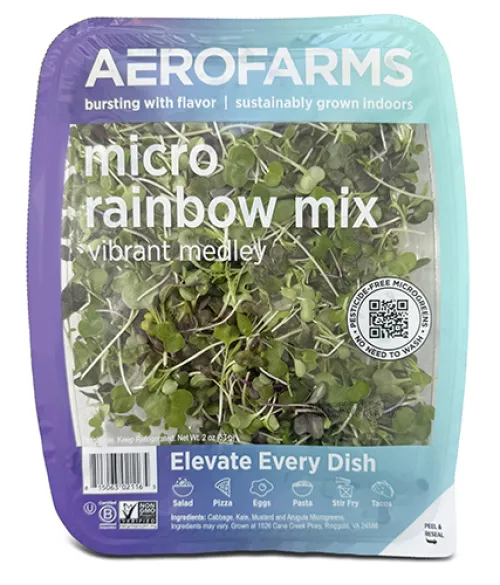
Microgreens are younger than baby greens. They’re basically newborn baby greens. The garnish-sized plants are typically harvested when they’re no more than 3 weeks old and 3 inches tall, so they’re small…but mighty. Each little green packs the full-size flavor of deep, dark (and sometimes spicy) vegetables like cabbage, broccoli, watercress, kale, or arugula.
Bonus: Many fresh-picked microgreens are more-concentrated sources of nutrients like vitamin C, vitamin K, vitamin E, and beta-carotene than their fully grown counterparts, according to analyses by scientists at the U.S. Department of Agriculture.
How to use: Think of microgreens as an attractive garnish with a purpose. Top salads, pizza, soups, sandwiches, avocado toast, or pasta with a handful for extra color and flavor.
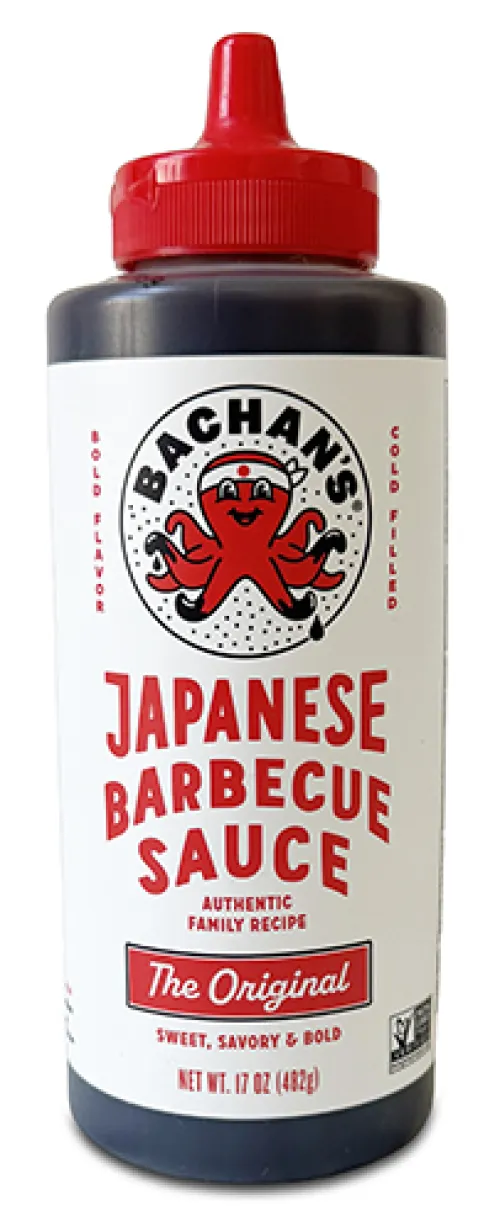
10. A ‘barbecue sauce’ that’s a marinade, glaze, or stir-fry shortcut
Marlena Koch – CSPI.
Bachan’s The Original is a Japanese barbecue sauce that delivers a welcome wallop of umami. Unlike the thick, tomato-heavy barbecue sauce that coats most American cookout foods, Bachan’s consistency (thinner) and taste (wow!) stand out. Thanks to garlic, ginger, green onions, mirin (sweet rice wine), soy sauce, and rice vinegar, the flexible sauce can impart Japanese flavors to all kinds of dishes, grilled and not.
A tablespoon (35 calories) supplies a notable dose of sodium (520 mg) and added sugars (7 grams). But Bachan’s has less sugar than most barbecue sauces. And with its thinner consistency, a little goes a long way.
How to use: Use as a marinade for grilling, or toss with sautéed chicken, shrimp, or tempeh or a vegetable stir-fry a minute or two before you’re done cooking.
Also try: For a lower-sugar American barbecue sauce, try Texas-style (think more savory, tangy, and tomatoey than sweet). Our favorite: Stubb’s Original.
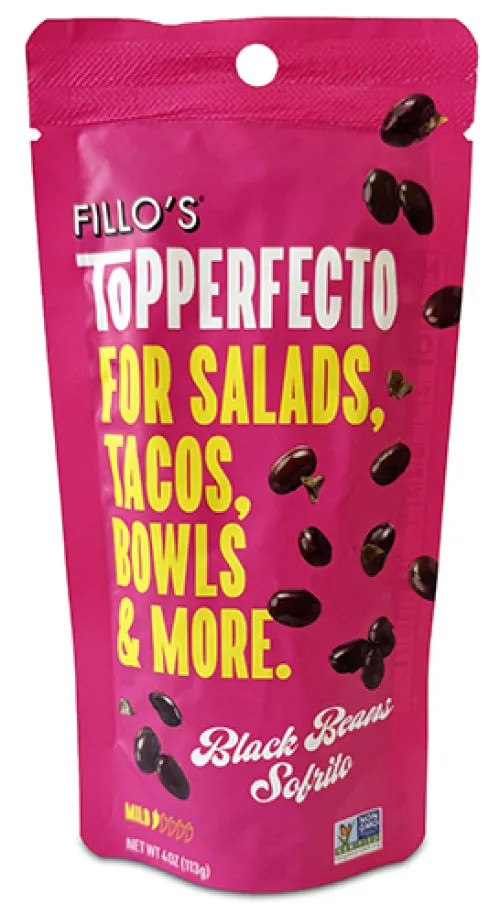
Nothing turns a heap of salad or a grain bowl into a meal faster than adding a pouch of perfectly seasoned beans. Say hello to fiber, flavor, and heft! That’s the idea behind Fillo’s TopperfectoBlack Beans Sofrito (with onion, bell pepper, olive oil, garlic, cumin, and bay leaf). Each 4 oz. 150-calorie pouch is sized for one serving—with 6 grams of fiber, 8 grams of protein, and 360 mg of sodium (which is pretty low if the salad or bowl is going to be your lunch or dinner).
All shapes and sizes of Fillo’s beans are expertly seasoned, so if their “Topperfecto” black beans aren’t your thing, reach for another. A 10 oz. pouch of simply irresistible Peruvian Lentils, Puerto Rican Pink Beans, Tex-Mex Pinto, Panamanian Garbanzo, or Mexican Mayocoba beans holds about two servings.
How to use: Tear open, heat (or not) in a microwave-safe dish, and add to salads, bowls, or soups that could use a little excitement.
Also try: Look for pouches of shelf-stable crispy chickpeas in the snack aisle (from brands like Saffron Road or Biena). They’re not just for snacking; sprinkle them on your salad instead of croutons.
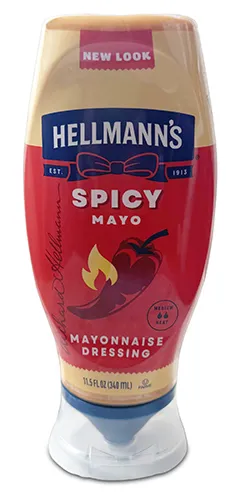
12. Flavored mayo that can double as a dip, sauce, or drizzle
Marlena Koch – CSPI.
Flavored mayos are having a moment. It’s easy to see why. They make it a snap to add a pop of zest—or a blast of heat—to more than just sandwiches.
Are they healthy? Almost all mayo is low in saturated fat and typically modest in sodium (100 mg or so per tablespoon). Since it’s mostly unsaturated oil, it mainly delivers calories (roughly 100 per tablespoon) from good fat. Translation: Mayo is better for you than you might think.
Many popular mayo flavors have one thing in common: heat (think spicy chipotle, sriracha, or harissa). Hellmann’s, for example, offers a range of heat levels, from Mild Chipotle to Spicy. Bonus: They’re lighter than Hellmann’s regular mayo, so each has no more than 40 calories per tablespoon.
How to use: If necessary, thin your mayo to a dipping-sauce or drizzling consistency by whisking in a teensy splash of water, then:
Use any flavored mayo as a dip for breaded chicken or plant-based tenders
Drizzle a garlic-flavored mayo (often called “garlic aioli”) over tofu or grain bowls or roasted vegetables
Top fish or shrimp tacos with chipotle mayo
Mix sriracha mayo with canned salmon and use it to top a brown rice bowl with edamame, carrots, and cucumbers.
Tip: If you don’t want to buy a whole jar of a single mayo flavor, make your own when you need it. Start with a little unflavored full-fat or light mayo and mix in a squirt of sriracha, some chipotle-in-adobo sauce, or a pinch of curry powder (great for chicken salad).
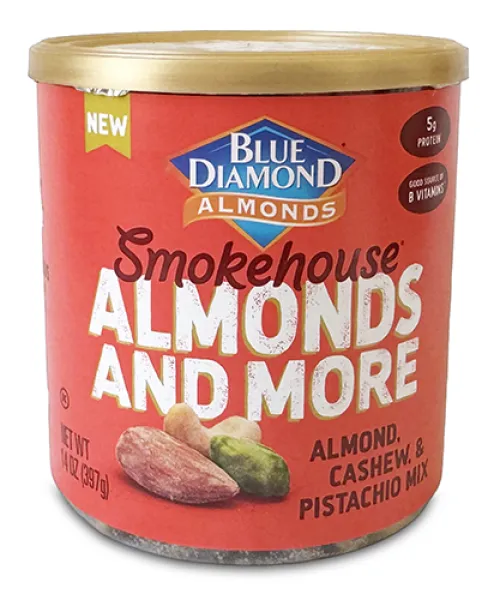
Spoiler: Blue Diamond Smokehouse Almonds and More (the “and More” is cashews and pistachios) haven’t been smoked. Unlike, say, Applewood smoked bacon or smoked salmon, the nuts are seasoned with natural smoke flavor (and salt).
The upside: You’ve got a new way to add smoky, savory—dare we say bacon-y?—flavor to your dishes without going near any processed meat.
How to use: Add chopped smoky nuts to roasted vegetables (like cauliflower), salads (try a kale caesar), or cooked vegetables (like green beans), or use them as a coating or topping for “breaded” chicken.
Also try: Make your own dukkah, an Egyptian nut-seed-spice blend, to toss with vegetables, grains, and salads and scatter on top of soups.
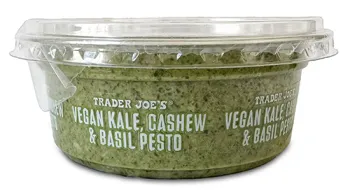
While we can’t guarantee that any supermarket pesto will hold a candle to bright green homemade basil pesto, we can offer some advice: Skip the shelf-stable jars and head to the refrigerator case. That’s where you’re likely to find the freshest-tasting pesto.
What about saturated fat? Pesto gets most of its fat from (healthy) olive oil and nuts, but some also comes from cheese (typically parmesan). To turn that into a non-issue, look for a refrigerated vegan brand.
Trader Joe’s churns out one of our favorites (it’s made with olive oil and cashew butter). Joe’s Vegan Kale, Cashew & Basil Pesto keeps a lid on sodium, with just 240 mg in a generous 1/4-cup, 180-calorie serving. Nice! That’s a fraction of the 400 mg of sodium and 300 calories you’d get from the same-size serving of, say, Buitoni Basil Pesto.
How to use: Pesto is a perfect match for whole wheat or legume pasta. Before tossing them together, thin the pesto by mixing in one or two tablespoons of pasta cooking water for every quarter cup of pesto. Then, if you’d like, throw in some cooked broccoli, snow or snap peas, asparagus, tomatoes, or red peppers.
Also try: Bear Pond Farm Spicy Vegan Pesto or Gotham Greens Vegan Pesto.
Tip: Got leftover pesto? Stir a spoonful into some cooked vegetables or lentils. Or freeze it for next time.
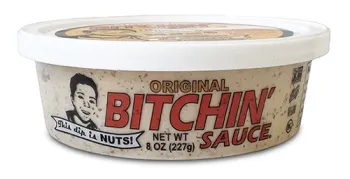
What exactly is Original Bitchin’ Sauce? A sauce, a dip, and a dressing that’s not only versatile, but vegan.
The healthy-fat base (grapeseed oil and almonds) is seasoned with lemon juice, soy sauce, nutritional yeast, garlic, spices, and salt, so it’s supersavory. And its formula keeps the sodium modest (150 mg in a two-tablespoon serving) and the sat fat low (1 gram).
The oil-and-nut base also means that it has enough fat and calories (90) to stand in for a sauce or dressing when you want something richer than, say, hummus.
How to use: Drizzle a spoonful on salads or bowls that feature beans, tofu, or tempeh. The sauce also fares well as a dip for crackers or crunchy vegetables even though the consistency is a bit thinner than your average dip.
Tip: If you need to eat gluten-free, every Bitchin’ Sauce fits the bill. But if you’ve got tree nut allergies, you’ll need to pass (all the flavors contain almonds). If you can eat seeds, try making your own similarly savory sauce with tahini (sesame seed paste).
CSPI heavily relies on our grassroots donors to fuel our mission. Every donation—no matter how small—helps CSPI continue improving food access, removing harmful additives, strengthening food safety, conducting and reviewing research, and reforming food labeling. We don't take donations from corporations, and our flagship publication, Nutrition Action, doesn't run any ads. That means that everything we do is fiercely independent and unbiased from any bad actors, no matter how powerful. To help keep this online content 100% free, consider donating today to support CSPI.
Our free Healthy Tips newsletter offers a peek at what Nutrition Action subscribers get—healthy recipes, scrupulously researched advice about food of all kinds, staying healthy with diet and exercise, and more.