Timesaving healthy eating habits that fit your busy life
simona - stock.adobe.com.
A healthy diet doesn’t require hours of prep or fancy cooking skills. Food can bring joy and comfort as well as nourishment, and healthy eating works best when it’s flexible and shaped to your lifestyle. Check out these tips to help you adopt practical habits you can put on repeat.
Healthy eating 101
Serhii - stock.adobe.com.
In a nutshell, the healthiest diets incorporate fruits, veggies, beans, lentils, and whole grains while limiting red and processed meats, salt, unhealthy fats, added sugars, and refined carbs.
Make one or two changes at a time
Wasana - stock.adobe.com.
A healthy dietary pattern can benefit everyone, regardless of age, race, ethnicity, or health. But a healthy diet doesn’t mean every plate is perfect. Start by making one or two healthy changes at a time.
Start with the basics
Carey - stock.adobe.com.
For a 2,000-calorie diet, aim for 2 1/4 cups of veggies (a mix of dark green, red, and orange veggies, plus beans, peas, and lentils) and 2 cups of fruit (especially whole fruit) per day.
In addition, try to increase your intake of whole grains like whole-wheat bread or pasta, brown rice, quinoa, and corn tortillas, and decrease your intake of refined grains like white bread or pasta and tortillas made from refined flour.
Already-cooked beans, lentils, chickpeas, and split peas are superstars. They’re a solid source of fiber (about 5 to 8 grams per half cup) and plant protein (about 8 grams per half cup), and they're packed with other nutrients (potassium, magnesium, folate, zinc, and iron!). Plus, producing a serving of beans releases far fewer greenhouse gas emissions than producing a serving of animal proteins like dairy, meat, or poultry.
Since they’re ready in minutes, think of already-cooked beans as nature’s fast food. Toss them into salads, soups, and stews, mash them onto toast, fold them into tacos and quesadillas, or serve them atop a grain bowl and alongside breakfast with eggs and avocado.
So, keep a few bags of frozen fruit and veggies (even beans!) on hand as an easy way to add nutrients and flavor with very little extra work.
Cut salt without losing flavor
katja - stock.adobe.com.
Many people eat more salt than health authorities recommend. While a small amount of sodium is safe and necessary for health, eating excessive amounts over time can cause high blood pressure, or hypertension, increasing the risk of heart attacks and strokes.
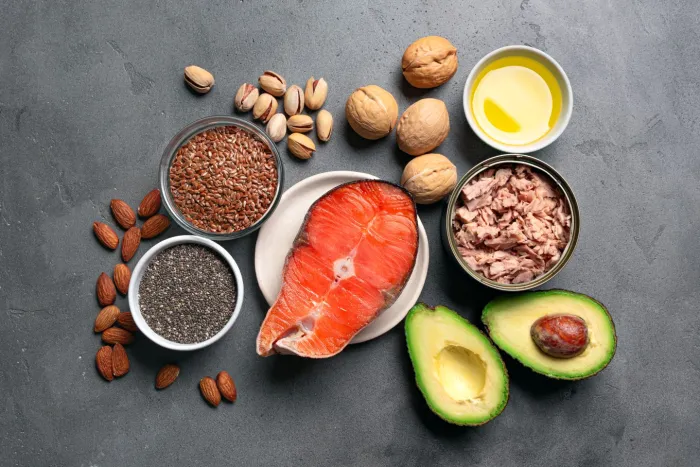
Evidence shows that saturated fat raises LDL (“bad”) cholesterol and that LDL is a direct cause of heart disease. The evidence also shows that you can slash heart disease risk by replacing saturated fats with polyunsaturated fats, like those in nuts, seeds, and vegetable oils. (Replacing saturated fats with refined carbs or trans fats won’t lower heart disease risk.)
Sugary drinks contribute to type 2 diabetes and heart disease—in part by leading to weight gain—and are linked to a higher risk of tooth decay. And added sugars can sneak into foods or beverages like flavored oatmeal, cereal, yogurt, sauces, and sugar-sweetened drinks, where they add “empty calories” without vitamins, minerals, or fiber. But you can make simple swaps that keep food enjoyable while cutting out unnecessary added sugars. For example, make sparkling water or unsweetened tea your go-to drinks, and choose plain oatmeal and low-sugar cereals.
Build simple meals with a simple formula
Paweł Michałowski - stock.adobe.com.
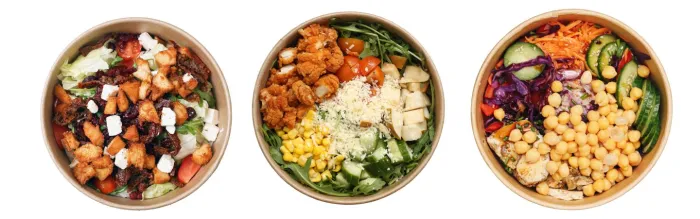
Healthy eating habits are easier to adopt when you think in parts: at least one veggie, a healthy protein (like beans, tofu, seafood, or poultry), a whole grain, and a flavorful sauce or topping.
By building simple meals using this formula, you build healthy habits without it feeling like homework. Try a hearty bowl with brown rice, black beans, bell peppers, frozen corn, salsa, and avocado. Or pair whole-wheat toast with hummus, sliced tomato, and an egg.
Healthy habits can be easier to adopt when the healthier choice is easy to make. Organize your kitchen so that the healthier choices are more convenient than less healthy ones. Keep unrefrigerated fruits and veggies on the counter, store refrigerated produce at eye level in the fridge, and place sparkling water or unsweetened beverages where they’re easy to grab. After all, the best routines have to withstand tired nights and busy schedules!
CSPI heavily relies on our grassroots donors to fuel our mission. Every donation—no matter how small—helps CSPI continue improving food access, removing harmful additives, strengthening food safety, conducting and reviewing research, and reforming food labeling. We don't take donations from corporations, and our flagship publication, Nutrition Action, doesn't run any ads. That means that everything we do is fiercely independent and unbiased from any bad actors, no matter how powerful. To help keep this online content 100% free, consider donating today to support CSPI.