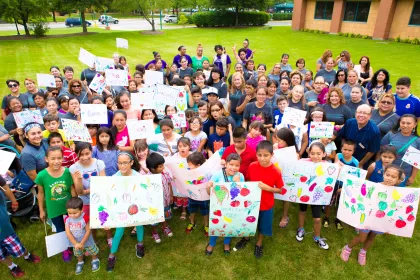
The Healthy Schools Campaign (HSC) has led a grassroots campaign to bolster the work of the Healthy School Meals for All Coalition and advocate for the full funding needed to make free school meals a reality for every public school student in Illinois.
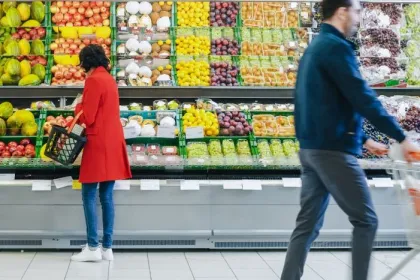
One in four Los Angeles County households have unreliable or limited access to healthy and nutritious food. The Los Angeles Food Policy Council and partners in the fight for Good Food know that the issue of food and nutrition insecurity is pervasive and longstanding—but there are solutions out there.
The Community Champions initiative in Clayton, Georgia, has spent the last three years investing in local voices, building leadership, and creating pathways for communities to advocate for healthier, more equitable futures.
Together, we’re building the framework and the engine of long-term, coordinated, statewide SNAP advocacy powered by community voices, evidence of SNAP’s importance for schools, child welfare, health, and our essential workforce, powerful messaging, and a growing legislative knowledgebase.
Since early 2025, several large federal health grants to states have been suspended and then restored after legal challenges. Hundreds of millions of dollars that had already been allocated by Congress were briefly put on hold before the court intervened. From the outside, these episodes may look like routine disputes between states and the federal government, as such cancellations do happen. But inside state agencies and in communities, they create something more consequential: uncertainty that interrupts crucial public health programs–even if states ultimately get the money.
The Hawaiʻi Public Health Institute (HIPHI) is working to change that by advancing Farm to Food Bank, a statewide program that provides funding for food banks to purchase food directly from Hawaiʻi farmers.
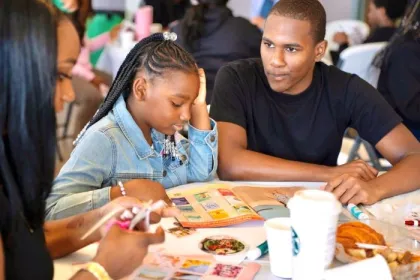
NCBDI was founded in 1970 and is the only national organization focused solely on the unique attributes and needs of Black children, birth through age 8. Within this vibrant space, we’ve been able to develop a deep sense of community, celebrate their cultural identity and joy, and advocate for Black children and their health and wellbeing.