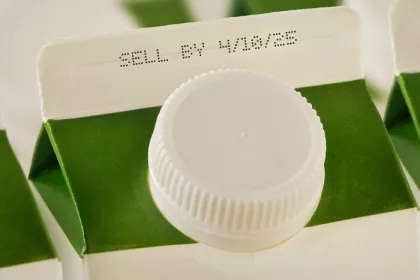
Confusion around food date labels leads 88% of consumers to discard food that's still good to eat. Standardizing date labels could lead to lower food waste.
The Hawaiʻi Public Health Institute (HIPHI) is working to change that by advancing Farm to Food Bank, a statewide program that provides funding for food banks to purchase food directly from Hawaiʻi farmers.
The Powerbuilding Program was created to connect BIPOC-led community organizations with dedicated funding, technical assistance, and peer learning opportunities centered around policy advocacy and sustainability to bolster the power they already hold. Meet CSPI's Powerbuilding 2026 cohort and learn more about their organizations, our work together, and how you can join the shared effort toward sustainable, healthy, community-led change.
AdvocacyBethany D. Williams, PhD, MSH, EP-C, Isaiah Blake
In 2019, the EAT-Lancet Commission released its “planetary health diet,” which aims to feed nearly 10 billion people by 2050 without causing undue harm to the environment. In October, the commission published an update. Its bottom line: We need a food system transformation. Here’s what it will take to get there.
A “planetary health diet” is a flexitarian way of eating—that is, plant-based with a little room for animal foods. Here's how to follow the diet in 6 steps.
The Farm Bill offers an opportunity to reimagine how nutrition and food policies can deliver a stronger, healthier, more just food system for everyone.
President Trump’s Farmers First Policy Agenda and proposed FY26 budget show hypocrisy in the administration’s approach to nutrition security and agriculture.
Seafood is good for you. That’s no surprise. But it’s not easy to find species that don’t contain mercury, PCBs, PFAS, or other contaminants, aren’t overfished, and aren’t linked to human rights abuses. In her new book The Fish Counter, NYU professor emerita Marion Nestle tackles those and other issues. (The book goes on sale on June 6, but you can pre-order it now.)