Confused by your lipid results? What matters most: total or LDL-cholesterol? Is HDL still important? Should you get ApoB measured? We help you sort through it.
The Center for Science in the Public Interest respectfully submits the following comment in support of the Citizen Petition to “Limit the Exposure of Refined Carbohydrates used in Industrial Processing in Order to Prevent Obesity, Diabetes, and Cardiovascular Disease in Children and Adults” filed by David A. Kessler on August 12, 2025 (docket number FDA-2025-P-3071; hereinafter referred to as the “petition”). CSPI is a non-profit consumer education and advocacy organization that has worked since 1971 to improve the public’s health through better nutrition and safer food. CSPI has an extensive history of advocating for policies that aim to improve the nutritional quality and safety of the U.S. diet through food chemical safety regulatory reform, food labeling, restaurant nutrition standards, school meals and competitive foods nutrition standards, and federal dietary guidance.
View the resource below to keep reading.
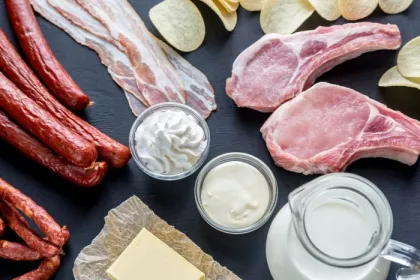
Despite health experts’ recommendations to cut back on saturated fat, you’ve likely heard that you don’t need to worry. What’s the truth? We’ve got answers.
The upcoming changes to the Dietary Guidelines for Americans could alter longstanding recommendations to limit saturated fat consumption. Read to learn more.
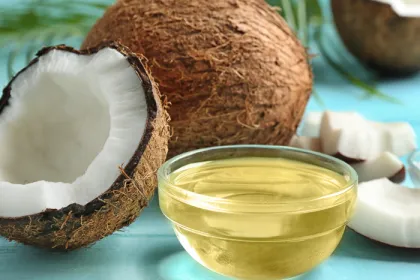
All fats are a mix of saturated, monounsaturated, and polyunsaturated fatty acids, though people usually categorize them by the fatty acid that predominates.
The good fats include monounsaturated fats (like avocado, canola oil, olive oil, safflower, and sunflower oil) and polyunsaturated fats (like fish, nuts, seeds, soy foods, sesame oil, and soybean oil).
Is your exercise routine designed to target fat in your belly, arms, or elsewhere? Are you a woman who’s avoiding lifting weights out of fear you’ll look too “bulky”? Are you not running because it may wear out your knees? Are you skipping cardio because you’re worried that it will kill your strength gains? We’re here to set the record straight.
Nearly half of U.S. adults have high blood pressure, which raises the risk of heart attack and stroke. Salt (sodium chloride) boosts blood pressure. In fact, cutting sodium consumption by about a third could prevent an estimated 252,500 deaths over 10 years.